

General information, not tax or legal advice. Receipt and donor gift rules checked against IRS Publication 1771 (Rev. 11-2023) and the IRS page on quid pro quo contributions on November 2026.
Donor stewardship for small nonprofits means everything you do after a gift arrives: thanking the donor, sending a correct receipt, showing what the gift achieved and keeping in touch until the next ask. Done well, it is one of the cheapest ways to raise more money, because a donor who already knows you is easier to keep than a stranger is to find. A volunteer team can run it from a one-page plan and a shared spreadsheet.
Quick answer
What is donor stewardship?
Donor stewardship is how a nonprofit cares for donors after they give: a prompt, personal thank-you, an accurate receipt, regular reports on what their gifts did, and recognition that fits the donor. Its goal is a second gift and a lasting relationship, so it sits between one ask and the next.
Stewardship, cultivation and asking
Fundraisers often describe a cycle of three stages. Stewardship is the one small groups skip most, because it doesn't bring in money this week.
| Stage | When it happens | What it looks like |
|---|---|---|
| Cultivation | Before a gift | Invitations, tours, getting to know a prospect |
| Solicitation | The ask | Appeal letter, event, personal request |
| Stewardship | After every gift | Thanks, receipt, impact updates, recognition |
Why donor stewardship matters for small nonprofits
Most donors don't come back on their own. In the Fundraising Effectiveness Project's Q4 2025 report (calendar 2025, checked November 2026), only 18.9% of first-time donors gave again, while repeat donors were retained at 59.3%. Turning a first gift into a second is where stewardship earns its keep.
Measure your own number with our guide to the donor retention rate, which includes a spreadsheet formula.

A one-page donor stewardship plan
A stewardship plan (often called a stewardship matrix) lists each donor group and what they receive, and when. Keep it to what your team can actually do every time:
| Donor group | First week | Within 3 months | Once a year |
|---|---|---|---|
| First-time donors | Thank-you letter and a call | Short impact update | Gift anniversary note |
| Repeat donors | Thank-you letter | Newsletter story | Statement and an event invitation |
| Monthly donors | Welcome email from a person | Quarterly update | Annual giving statement |
| Larger gifts (your threshold) | Call from the chair, written acknowledgment | Personal update or visit | Coffee, tour or report from the program lead |
The parts of donor stewardship, step by step
1. Thank every gift quickly and personally
Aim to send a thank-you within a few days, signed by a real person. Our donor thank-you letter examples cover first, repeat and recurring gifts, and the PTO thank-you letter for donations suits parents and local businesses. Add a call for first-time donors with our donor thank-you call script, and a handwritten note when you can (see the best thank-you cards for donors).

2. Get receipts and statements right
Under IRS Publication 1771, a donor needs a written acknowledgment for any single gift of $250 or more, and one annual summary may cover several gifts. Use our donation receipt template for single gifts and the contribution statement template for a year of gifts. The IRS donation acknowledgment letter requirements explain the required wording.
3. Show donors what their gift did
Donors give to a result, not to an organization. Share one story, photo or number a few times a year: "Your gifts bought 300 books for the school library." A short email with one photo is enough, and it should arrive before your next ask, not with it.
4. Recognize donors without overspending
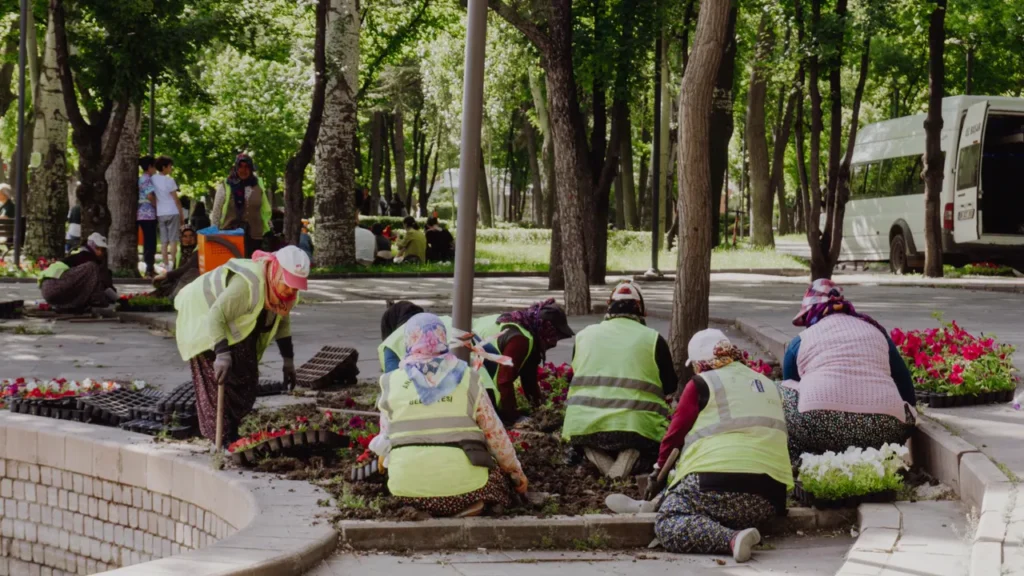
Recognition can be a name in the newsletter, a social media thank-you (with permission), a donor wall or a volunteer appreciation evening. Our list of donor appreciation ideas keeps costs low.
Gifts to donors have tax side effects. If a donor receives goods or services in return, the deductible amount can shrink, and a payment over $75 that is partly for a benefit needs a written disclosure. Small token items fall under IRS limits that are adjusted for inflation each year, so check the current figures on irs.gov before you order mugs or T-shirts.
5. Offer a monthly option
Donors who give often are the most loyal. Once your thank-you routine works, read how to start a monthly giving program to add a recurring option.
6. Bring back donors who drift
Every fall, list the people who gave last year but not this year and contact them personally. Our guide on how to win back lapsed donors has email and letter templates, including one for failed monthly card payments.
7. Review the plan once a year
After year-end, check your retention rate for first-time and repeat donors and note which contacts got replies. Drop anything the team never had time to do, and keep what donors responded to. A plan you follow every time beats an ambitious one that stalls in March.
Who does what
Stewardship fails when it lives in one volunteer's head. Give each task an owner:
- Gift recorder (often the treasurer): logs each gift the day it arrives and sends receipts.
- Thank-you lead: sends letters within the week and hands first-time donors to callers.
- Board members: make thank-you calls and attend to larger donors.
- Newsletter or social media volunteer: gathers impact stories and photos.
- Chair: reviews the plan each quarter and checks that nothing slipped.
Keep donor records in one shared place, even a spreadsheet, with gift dates, amounts, contact notes and "do not contact" requests. Accounting or donor software helps later, but it is not needed to start.

Common stewardship mistakes
- Sending only the automatic receipt and calling it a thank-you.
- Thanking donors weeks later, after the moment has passed.
- Asking again before reporting what the last gift did.
- Treating a $25 first gift as unimportant: that donor may become your most loyal supporter.
- Giving perks that change what donors can deduct without telling them.
- Losing the donor list when a volunteer steps down.
Next step
The thank-you is the part of stewardship donors notice most, and it is easy to fix this week. Start with our donor thank-you letter examples.
Frequently asked questions
What is the difference between donor stewardship and donor relations?
The terms overlap and many people use them interchangeably. Donor relations usually means the whole relationship with supporters, including events and communications. Stewardship is the part focused on what happens after a gift: thanking, receipting, reporting impact and recognition. Small groups can treat them as one job.
How soon should you thank a donor?
As soon as you can, ideally within a few days of the gift. A quick, personal thank-you shows the gift was noticed and makes the receipt feel less like paperwork. Set a rule your team can keep, such as "every gift thanked by the end of the following week."
How much should a small nonprofit spend on donor stewardship?
Very little money is needed. The most effective steps, a personal letter, a phone call and an impact update, cost postage and time. Spend on gifts or events only if they fit your budget, and remember that items given in return for a gift can affect the donor's tax deduction.
What is a donor stewardship matrix?
A stewardship matrix is a simple table listing each donor group, such as first-time, repeat, monthly or larger donors, against the contacts each group receives and when. It turns good intentions into a schedule, so any volunteer can see what is due and nobody is forgotten.